


foto dal web
Santa Croce Camarina
Dalle rovine dell'antica Camarina alle spiagge del Commissario
Storia
Santa Croce Camerina nata nel mito dell'antica colonia greca di Kamarina, fu fondata nel 598 a.C., i cui resti archeologici rappresentano oggi uno dei siti più importanti del litorale ibleo. Il centro urbano moderno si è sviluppato a partire da un nucleo di epoca bizantina e araba, consolidandosi poi attorno a un casale normanno. La città ha vissuto secoli di storia legata al latifondo e all'architettura nobiliare, visibile ancora oggi nei palazzi del centro. Negli ultimi decenni, la sua identità si è legata indissolubilmente alla frazione costiera di Punta Secca, dove il maestoso faro costruito nel 1853 sorveglia un borgo marinaro diventato celebre in tutto il mondo come set cinematografico, trasformando un tranquillo villaggio di pescatori in un'icona del turismo internazionale.
Tradizione e Festa Storica
La massima espressione della devozione popolare si celebra a marzo con la Festa di San Giuseppe. La tradizione più autentica e spettacolare è quella delle "Cene": monumentali altari imbanditi all'interno delle case private, aperti a pellegrini e visitatori. Questi altari sono carichi di primizie, fiori e soprattutto dei tipici "Pani di San Giuseppe", sculture commestibili modellate a mano in forme sacre e simboliche (come la barba del Santo o il bastone fiorito). È un rito di condivisione e ospitalità sacra che trasforma il tessuto urbano in un percorso di fede e arte effimera, culminando nella benedizione dei piatti offerti ai "Santi" (tre persone che rappresentano la Sacra Famiglia).
Gastronomia e Piatto Tipico
Per brandizzare l'offerta culinaria di Santa Croce Camerina, il protagonista assoluto è la 'Mpanata di agnello. Sebbene le focacce chiuse siano diffuse in tutto il ragusano, la versione santacrocese si distingue per la complessità del ripieno e la tecnica di chiusura a "riefulu" (un cordoncino di pasta intrecciato a mano). Tradizionalmente preparata per le festività pasquali e per San Giuseppe, la 'mpanata racchiude strati di carne d'agnello o collinetto, patate e cipolletta fresca, cotti lentamente all'interno di una sfoglia croccante di semola di grano duro. Accanto a questa tradizione di terra, la frazione di Punta Secca offre il contrappunto del mare con il "pesce azzurro" locale, celebrando un territorio che sa unire con sapienza le eccellenze dei campi e quelle dello stretto di Sicilia.
Logistica e Info
Collegamenti Stradali: Raggiungibile da Pozzallo tramite la litoranea SP 66 o la SP 25 (via Ragusa).
Trasporti Bus: Collegamenti giornalieri AST con l'Hub di Pozzallo, Ragusa e la frazione di Marina di Ragusa.
Infrastrutture Culturali: Parco Archeologico Regionale di Camarina e Museo del Mare presso Punta Secca.
Sport e Mare: Stadio Comunale "Kennedy"; club nautici d'eccellenza per il windsurf e il kitesurf.


Discover the Hyblean Wonders of the City

Parco Archeologico di Kaukana
Un insediamento tardo-antico situato direttamente sul mare, noto come "Le Anticaglie". Un sito suggestivo dove le fondamenta di antiche case e chiese bizantine emergono tra le dune, testimoniando la vita di un porto millenario.

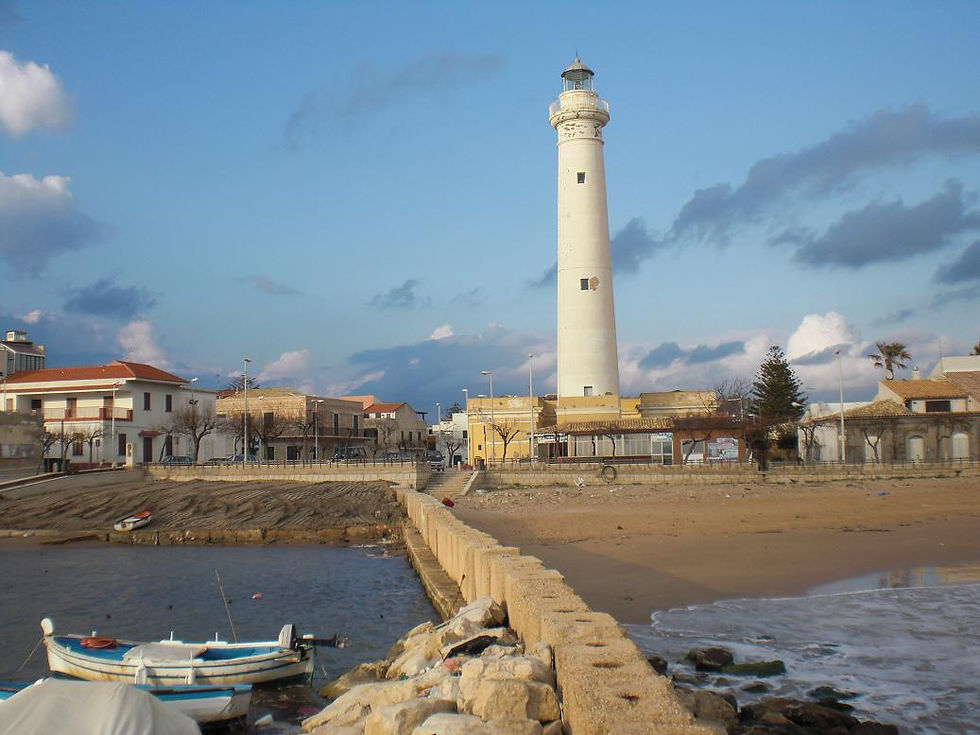
Faro di Punta Secca
Con i suoi 35 metri d'altezza, il Faro di Punta Secca è una delle torri di segnalazione più importanti della Sicilia meridionale. Un baluardo di luce che caratterizza lo skyline della borgata e sorveglia le rotte del Canale di Sicilia.

Parco Archeologico di Camarina
Uno dei siti archeologici più importanti della Sicilia, antica colonia siracusana affacciata sul Mediterraneo. Un luogo dove i resti del Tempio di Atena e il Museo Archeologico raccontano la grandezza della civiltà greca tra dune di sabbia e mare.

La Casa di Montablano - Punta Secca
La celebre terrazza affacciata sul mare di "Vigata". Punta Secca, frazione di Santa Croce Camarina, è diventata un'icona mondiale grazie alla casa del Commissario più famoso della TV, offrendo scorci di autentica bellezza marinara.
Itineraries
Borghi e Coste
Costa iblea da Pozzallo a Scoglitti tra borghi marinari e porti pescherecci

Events in the City

Cene di San Giuseppe
97017 Santa Croce Camerina RG, Italia
March 18, 2025 at 12:00:00 AM